
Hear from Our Customers
You can’t fix what you can’t see. That’s the problem with mold in Parkland homes—it hides behind walls, under floors, inside HVAC systems. By the time you smell it or see discoloration, you’re already months into a problem that’s been spreading.
Professional mold testing gives you the full picture. Not a guess. Not a visual check. Thermal imaging, moisture meters, air sampling, and lab analysis that identifies the exact type of mold, the extent of contamination, and the moisture source feeding it.
That matters because black mold requires different treatment than surface mildew. A small bathroom issue is manageable. A crawlspace problem affecting your HVAC system isn’t. Testing tells you which one you’re facing—and what it’ll actually take to fix it.
You also get documentation. If you’re filing an insurance claim, selling your home, or just want proof the problem’s resolved, lab results and detailed reports give you that. No more wondering if the issue’s really gone or if it’ll come back next summer when Parkland’s humidity spikes again.
We’ve built our reputation across Bucks County by showing up, doing the work right, and being straight with people about what they’re facing. We’re certified mold inspectors who understand how Parkland’s climate creates perfect conditions for mold growth—especially in homes built in the ’80s and ’90s.
High humidity, older construction methods, and Pennsylvania’s wet seasons mean basements, crawlspaces, and poorly ventilated bathrooms are constantly at risk. We’ve tested hundreds of homes here. We know what to look for and where problems typically start.
You’re not getting a sales pitch. You’re getting an honest assessment from someone who’s seen this before and knows how to document it properly—whether that’s for your own information, an insurance claim, or a real estate transaction.
First, we walk through your property and talk about what you’ve noticed—odors, discoloration, health symptoms, water damage history. That conversation matters because it tells us where to focus.
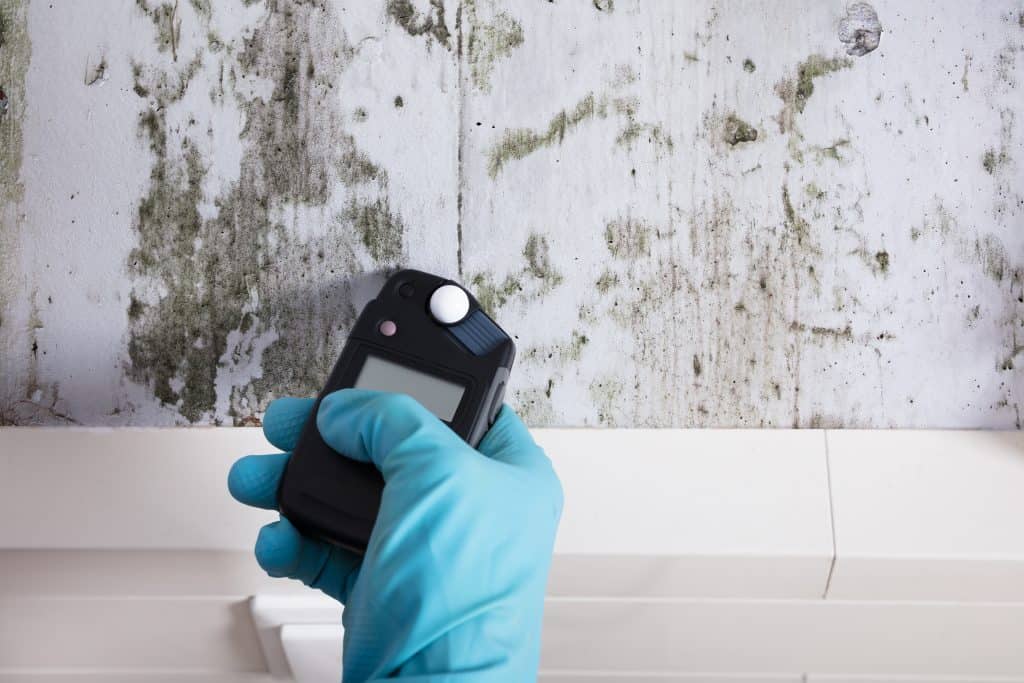
Then we start the inspection. We’re using thermal imaging cameras to detect temperature differences that indicate moisture behind walls. Moisture meters measure exact levels in building materials. If there’s visible mold, we take samples. If you’re concerned about air quality, we do spore trap sampling to measure what’s circulating through your home.
Everything gets sent to an independent lab for analysis. You’ll get a detailed report that identifies mold species, concentration levels, and affected areas. We’ll walk you through the results in plain language—what it means, what needs to happen next, and what your options are.
If remediation is needed, we’ll give you a clear scope of work and upfront pricing. If the problem’s minor, we’ll tell you that too. The goal is accurate information, not upselling services you don’t need.
Ready to get started?
You get a certified inspector who shows up on time with calibrated equipment. Free initial inspection to assess whether testing is even necessary—sometimes it’s obvious, sometimes it’s not.
If we move forward with testing, you’re getting comprehensive sampling. Air quality testing measures spore counts in different rooms. Surface sampling identifies what’s growing on walls, ceilings, or floors. Moisture mapping shows where water intrusion is happening and what building materials are affected.
Parkland’s humidity averages 67% year-round, spiking to 72% in September. That’s high enough to support mold growth in any space with poor ventilation or previous water damage. Homes built during the ’80s and ’90s construction boom—which is most of this area—often have basements and crawlspaces that weren’t designed with modern moisture barriers. We’re checking those vulnerable spots specifically.
Lab results come back within a few days. You’ll get a written report with photos, moisture readings, mold species identification, and our recommendations. If you’re dealing with insurance, we know how to document everything they’ll ask for. If you’re buying or selling, the report gives you leverage and clarity.
Testing typically runs between $300 and $600 depending on your home’s size and how many samples we’re taking. A small condo with one suspected area costs less than a 3,000 square foot house where we’re testing multiple rooms and doing comprehensive air quality analysis.
We offer free initial inspections. That means we’ll come out, assess the situation, and tell you whether testing is necessary before you spend anything. Sometimes mold is obvious and we can move straight to remediation. Other times you need lab confirmation to know what you’re dealing with—especially if you’re filing an insurance claim or there’s a health concern.
The cost of testing is small compared to guessing wrong. Treating the wrong type of mold, missing hidden contamination, or doing incomplete remediation means you’re paying twice. Testing gives you a roadmap so the fix actually works the first time.
An inspection is visual—we’re looking for visible mold, water damage, moisture problems, and conditions that support mold growth. We’re checking basements, crawlspaces, attics, bathrooms, around windows, anywhere water intrusion or humidity creates risk.
Testing goes further. We’re taking samples—either from surfaces or from the air—and sending them to a lab for analysis. That tells us exactly what species of mold is present, how concentrated it is, and whether it’s toxic. You can’t identify black mold vs. common mildew just by looking at it.
You need testing when there’s a smell but no visible mold, when someone in your home is having unexplained respiratory issues, when you’re buying or selling a property, or when you need documentation for insurance. Inspection alone works if the problem’s obvious and you just need a scope of work for remediation.
The on-site inspection and sampling usually takes one to two hours depending on your home’s size and how many areas we’re testing. We’re thorough but we’re not wasting your time.
Lab results come back in three to five business days. Some labs offer rush processing for an extra fee if you’re in a time crunch—like a real estate closing deadline.
Once we have results, we’ll schedule a follow-up call or meeting to review findings and discuss next steps. That conversation usually takes 20 to 30 minutes. We’ll walk through the report, answer your questions, and give you a clear remediation plan if one’s needed.
Total timeline from initial inspection to having answers in hand is typically one week. That’s fast enough to make decisions but thorough enough to be accurate.
It depends on what caused the mold. If it’s from a sudden, covered event—like a burst pipe, roof leak during a storm, or appliance malfunction—most policies will cover testing and remediation. If it’s from long-term neglect, poor maintenance, or gradual humidity issues, probably not.
The key is documentation. Insurance companies want proof of what happened, when it happened, and what the extent of damage is. That’s where professional testing becomes critical. A detailed report with lab results, photos, and moisture readings gives your claim credibility.
We’ve worked with insurance companies throughout Bucks County for years. We know how to document findings in a way that supports your claim. We’ll provide everything your adjuster asks for and can walk you through the claims process if you’re unfamiliar with it. Even if coverage is denied, at least you’ll know what you’re dealing with and can make an informed decision about remediation.
You can buy test kits at hardware stores for $10 to $50, but they’re not reliable. Most just tell you that mold spores are present—which they are in every home. They don’t tell you what type, how much, or whether it’s a health risk. You’re basically confirming that air exists.
DIY kits also don’t include a proper inspection. You might test one room and miss the real problem in your crawlspace or inside a wall cavity. Mold spreads through HVAC systems, so contamination in your basement can affect air quality on your second floor. You need someone who knows where to look.
Professional testing uses calibrated equipment, follows proper sampling protocols, and sends samples to accredited labs. You’re getting species identification, concentration levels, and a written report you can actually use—for remediation, insurance, or real estate purposes. If you’re serious about knowing what’s in your home, DIY kits won’t get you there.
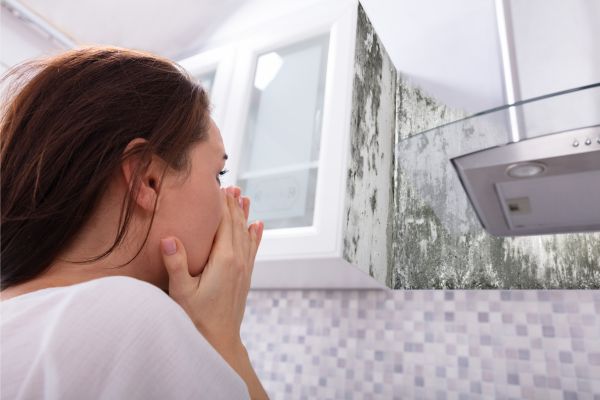
Musty odors are the biggest red flag—especially in basements, bathrooms, or after you’ve been away for a few days. If you smell it but can’t see it, there’s likely hidden growth behind walls or under flooring.
Visible discoloration on walls, ceilings, or around windows is another sign. So is peeling paint or wallpaper, warped drywall, or water stains. Parkland’s humidity makes bathrooms and basements prime targets, especially in older homes without proper ventilation.
Health symptoms matter too. If you or your family members have unexplained respiratory issues, persistent coughing, headaches, or allergy symptoms that improve when you leave the house, mold exposure could be the cause. About 21% of asthma cases are linked to dampness and mold—that’s not a small number.
Previous water damage is a major indicator. Even if a leak was fixed months ago, mold can still be growing inside wall cavities or under flooring if the area wasn’t properly dried and treated. Testing confirms whether remediation is needed or if you’re in the clear.
Other Services we provide in Parkland